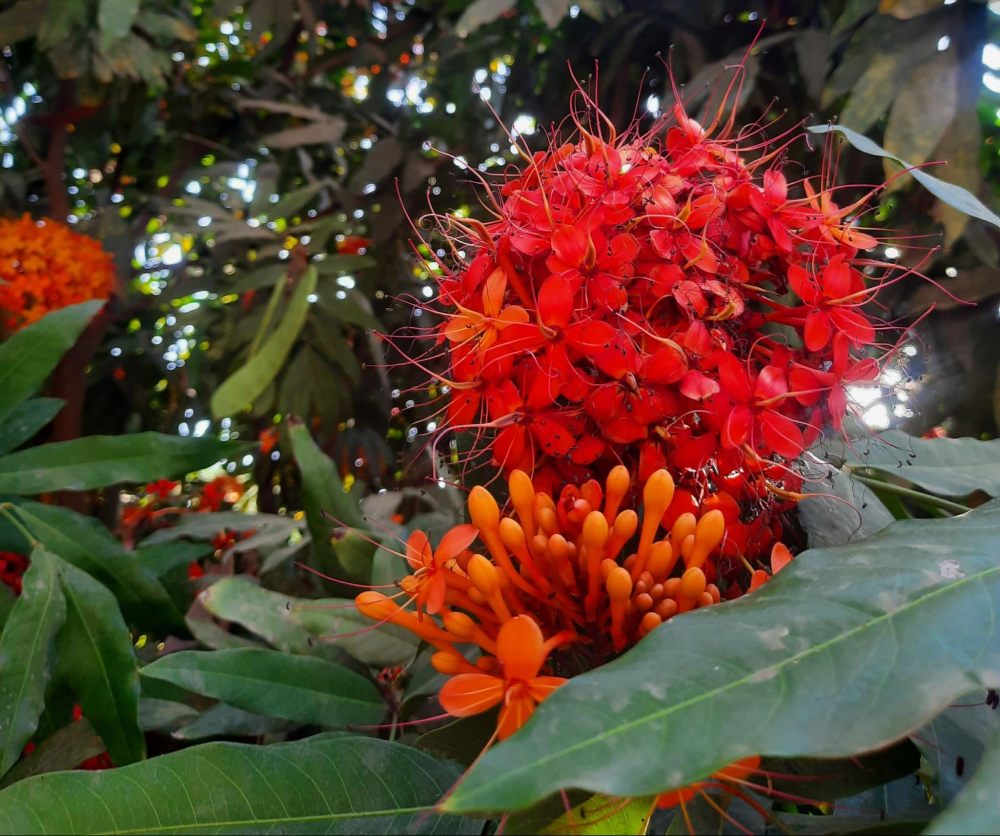
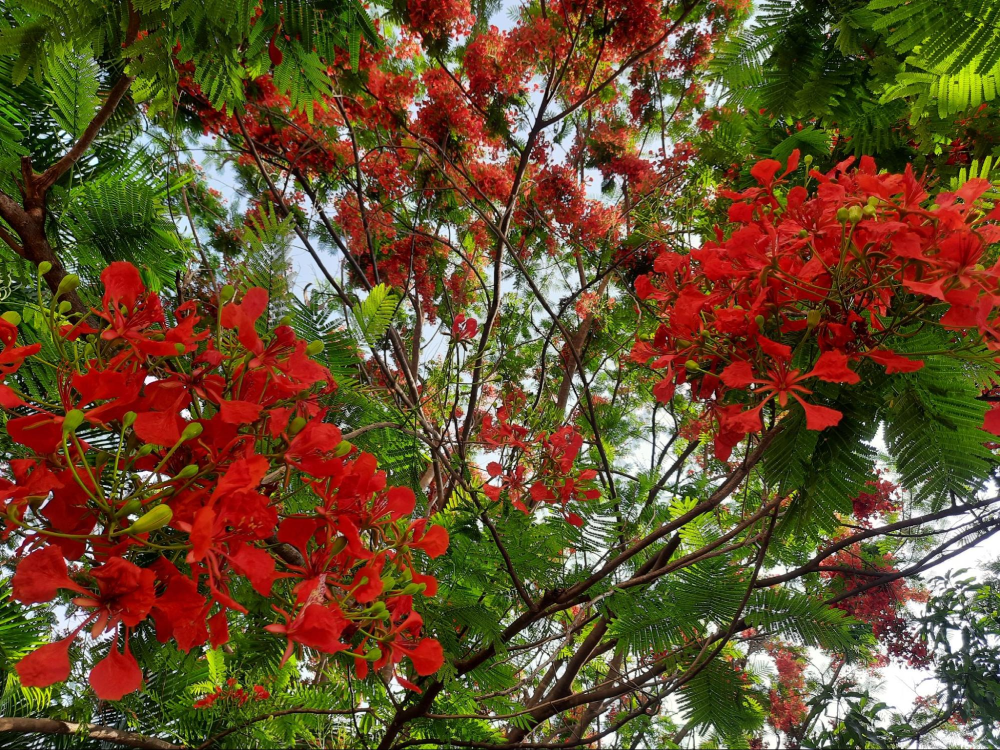
The Biodiversity Wing of the Symbiosis Centre for Climate Change and Sustainability (SCCCS) aligns its work with the United Nations Sustainable Development Goals 13 (Climate Action), 14 (Life Below Water), and 15 (Life on Land). Our mission centers on understanding the rich biodiversity within Symbiosis International University (SIU) campuses, assessing the impacts of climate change on these ecosystems, and implementing effective conservation strategies to protect them.
The Biodiversity Wing is dedicated to documenting and preserving biodiversity while spreading awareness among the Symbiosis community—students, staff, and faculty alike. Through citizen science platforms, we facilitate greater participation from the campus community, enabling us to identify and prioritize critical conservation areas. Our approach combines scientific rigor with community engagement to create lasting impact.
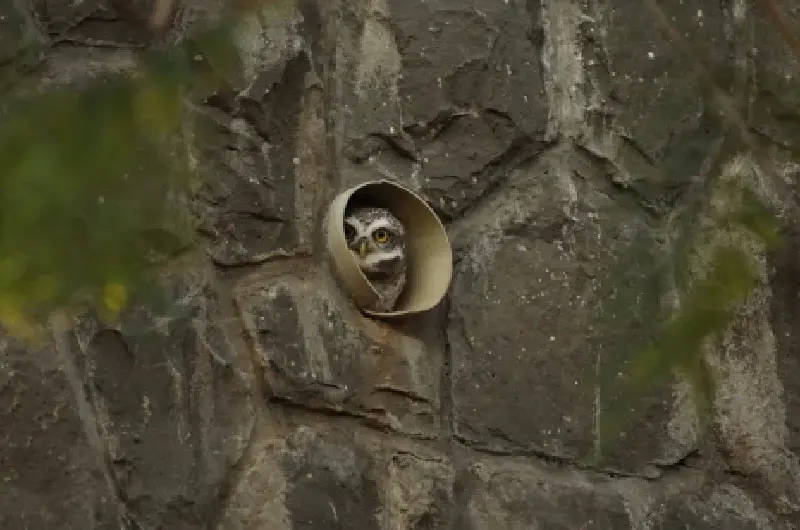
The Biodiversity Wing of the Symbiosis Centre for Climate Change and Sustainability (SCCCS) aligns its work with the United Nations Sustainable Development Goals 13 (Climate Action), 14 (Life Below Water), and 15 (Life on Land). Our mission centers on understanding the rich biodiversity within Symbiosis International University (SIU) campuses, assessing the impacts of climate change on these ecosystems, and implementing effective conservation strategies to protect them.
The Biodiversity Wing is dedicated to documenting and preserving biodiversity while spreading awareness among the Symbiosis community—students, staff, and faculty alike. Through citizen science platforms, we facilitate greater participation from the campus community, enabling us to identify and prioritize critical conservation areas. Our approach combines scientific rigor with community engagement to create lasting impact.
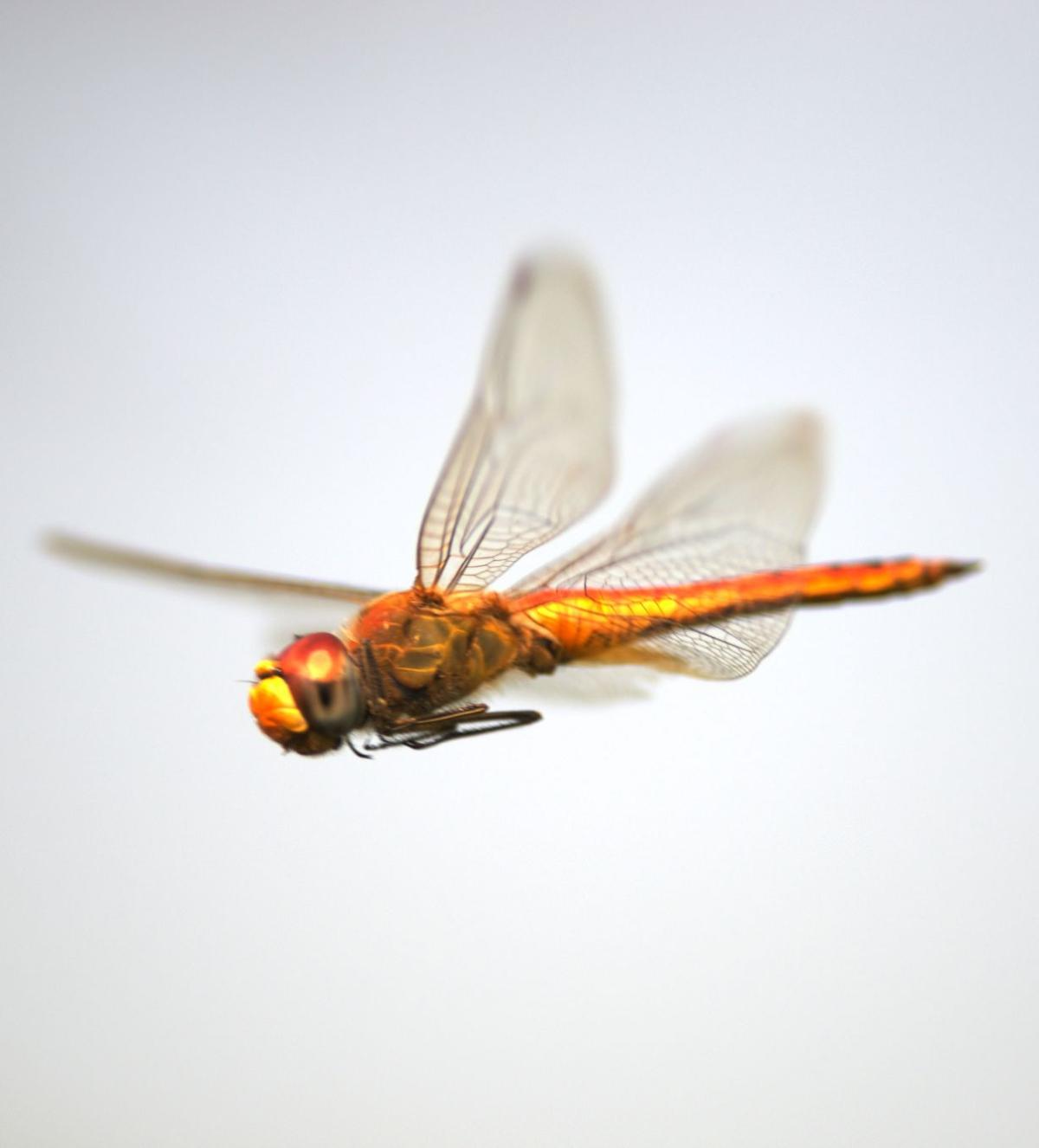
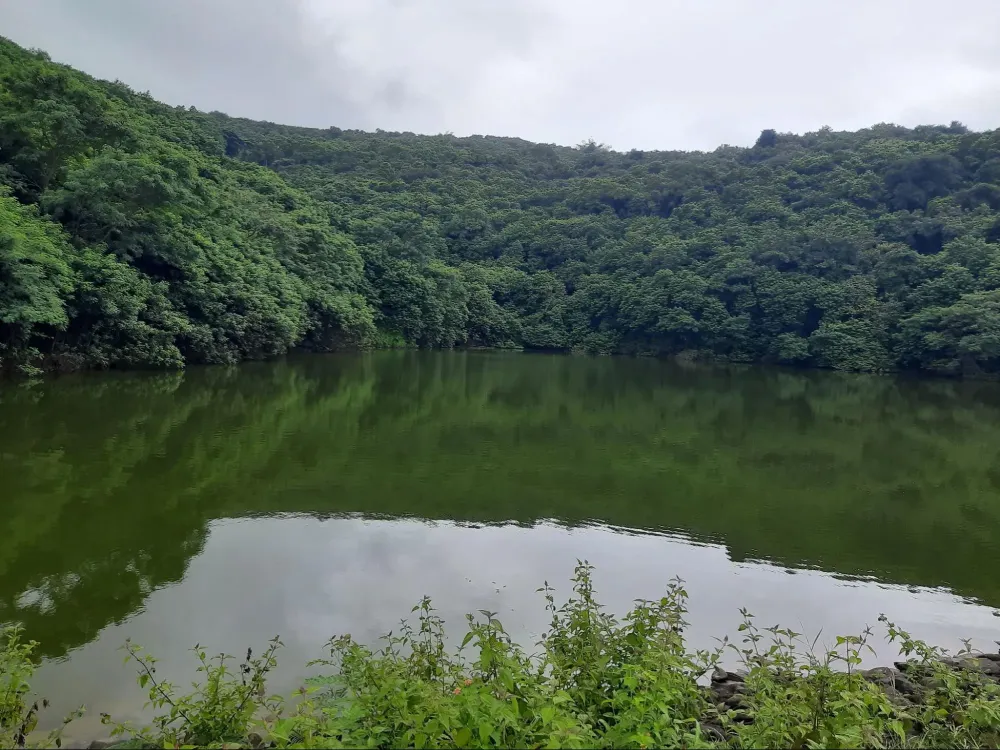
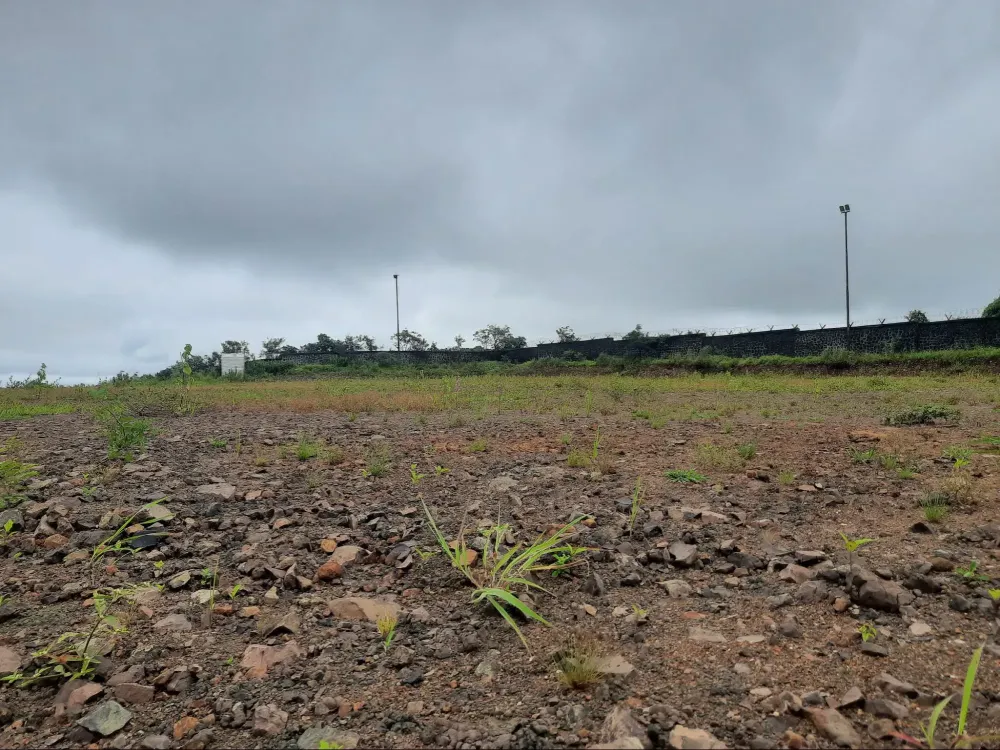
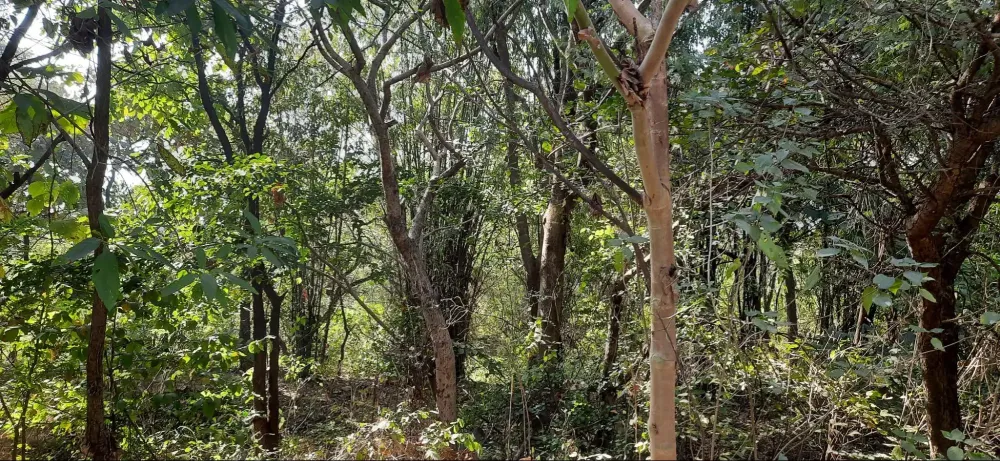
Spread across 350 acres, the SIU Lavale campus serves as an exceptional natural laboratory for biodiversity studies. The campus encompasses a diverse range of habitats, including woodlands, forests, savannas, wetlands, urban gardens, and built-up areas. This habitat diversity creates ideal conditions for studying a wide range of species and ecosystems.
Positioned at the intersection of the Western Ghats—a UNESCO World Heritage Site and global biodiversity hotspot—and the Deccan Savannas, the campus hosts a unique assemblage of flora and fauna. This strategic location results in remarkable species diversity rarely found in an educational setting.
The campus is home to several threatened and endemic species that underscore its conservation importance:

12 mammal species documented

Over 174 bird species

26 documented species

7 species recorded

More than 50 species identified
These species represent the ecological richness of the region and highlight the campus's role as a refuge for biodiversity in an increasingly urbanized landscape.
| Taxonomic group | No. of Species |
|---|---|
| Birds | 174 |
| Mammals | 12 |
| Reptiles | 26 |
| Amphibians | 7 |
| Butterflies | 50 |
| Taxonomic group | No. of Species |
|---|---|
| Trees | 123 |
| Shrubs | 54 |
| Herbs | 107 |
| Climbers | 39 |
| Cryptogams | 15 |
These species represent the ecological richness of the region and highlight the campus's role as a refuge for biodiversity in an increasingly urbanized landscape.
Link (URL) to different pages that feature checklists/photos of plants and animals observed on campus.
While other SIU campuses in Pune are smaller and more urbanized, they still maintain pockets of green spaces where biodiversity can thrive. We actively engage with all SIU campuses across India, offering support to document their biodiversity and establish biodiversity clubs under the mentorship of faculty, staff, and students.
The Biodiversity Wing fosters appreciation for nature through diverse initiatives:
We have developed dedicated spaces across our campuses to support biodiversity
By utilizing citizen science platforms, we democratize biodiversity documentation. This approach not only generates valuable scientific data but also empowers the campus community to become active participants in conservation efforts. The data collected informs our conservation priorities and helps track changes over time.
Our campuses across India are situated in ecologically diverse regions, with the Lavale campus exemplifying this richness. Located in the foothills of the Western Ghats, one of the world's most significant biodiversity hotspots, the campus provides unparalleled opportunities to observe, study, and conserve biodiversity in an educational context.
The presence of globally threatened species, combined with high levels of endemism characteristic of the Western Ghats region, makes our biodiversity work both scientifically significant and urgently necessary. Through our efforts, we contribute to global conservation goals while providing our community with direct, meaningful connections to the natural world.
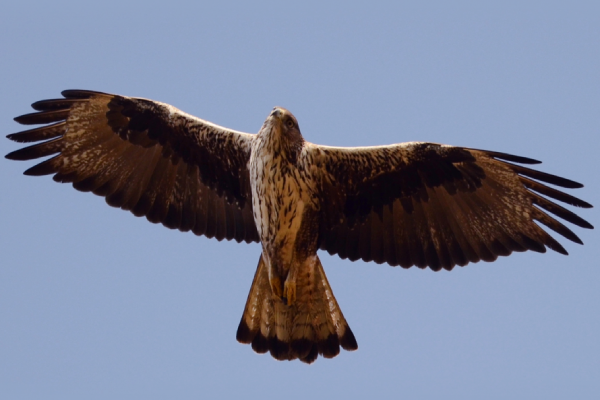
Photography serves as a powerful medium for documenting and appreciating the intrinsic beauty, diversity, and importance of the natural world. Through the lens, we capture the delicate interplay of landscapes and wildlife, creating moments that allow us to pause and reflect on the profound value of our environment. Each photograph tells a story—not just of nature itself, but of our shared responsibility in its preservation and the urgent need to protect the ecosystems that sustain all life on Earth.
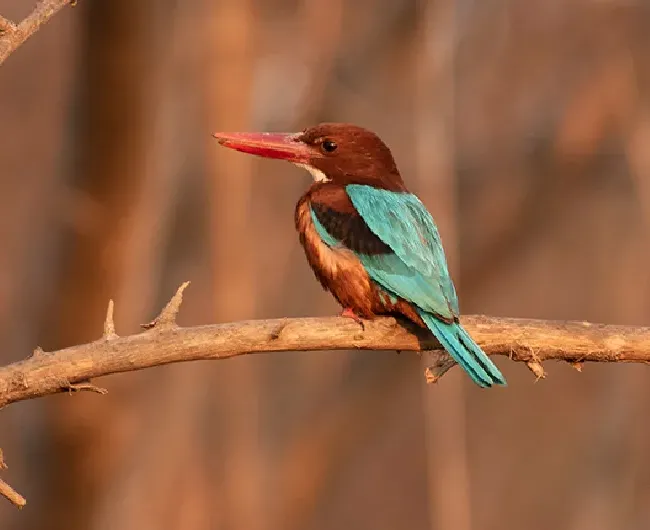
In celebration of National Wildlife Week in October 2025, the Symbiosis Centre for Climate Change and Sustainability (SCCCS), in collaboration with the Symbiosis School of Visual Arts and Photography (SSVAP), organized a Nature Photography Competition open to all Symbiosis International University (SIU) campuses. This initiative brought together the campus community in a creative exploration of the natural world that surrounds them.
The competition was designed to encourage students, staff, and faculty across the SIU community to:
Observe the natural world with heightened awareness and curiosity
Participants submitted entries across four distinct themes, each highlighting different aspects of our natural heritage:
This competition represented more than just a photographic contest—it served as a platform for environmental education and community building. By encouraging members of the Symbiosis family to engage directly with nature through their cameras, the initiative fostered:
The competition aligned perfectly with National Wildlife Week's emphasis on conservation awareness, bringing the message home to our campuses and demonstrating that meaningful environmental action begins with observing, appreciating, and documenting the nature around us.
The following images represent the winning entries from the competition, showcasing exceptional talent, keen observation, and a profound connection with the natural world. Each photograph demonstrates not only technical skill but also an understanding of the ecological narratives that unfold in our campus environments.
| Sr No | Theme | Category | Winner's Name | Institute | Caption | Winning Images |
|---|---|---|---|---|---|---|
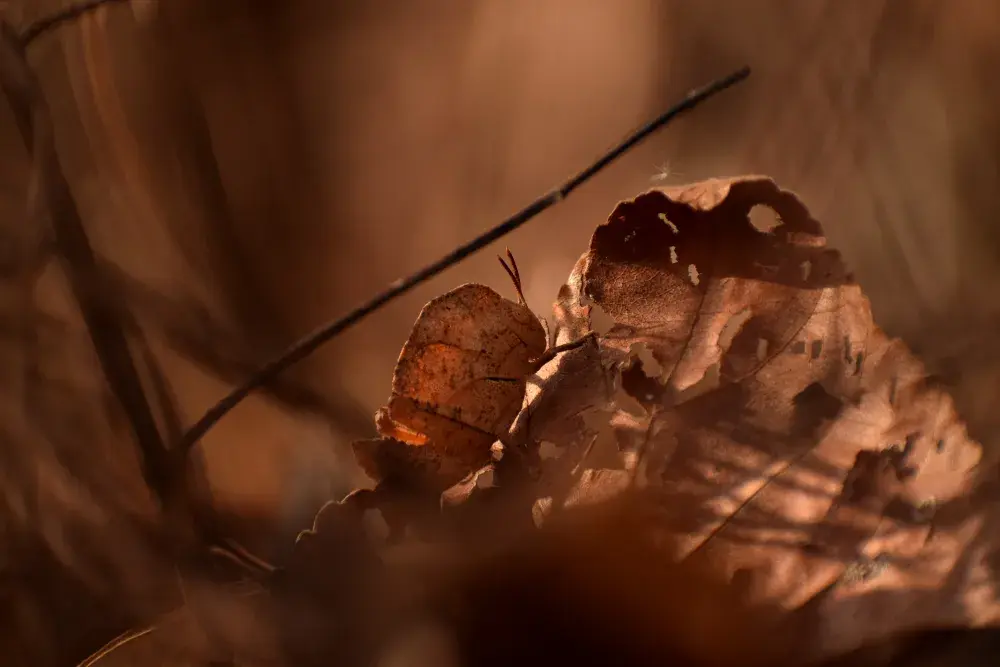
| 1 | Micro World | Student | Kshiteej Bapat (25030241177) | SCIT | Autumn Sentinel: Visible or invisible, that is the question! |
 Download Image
|
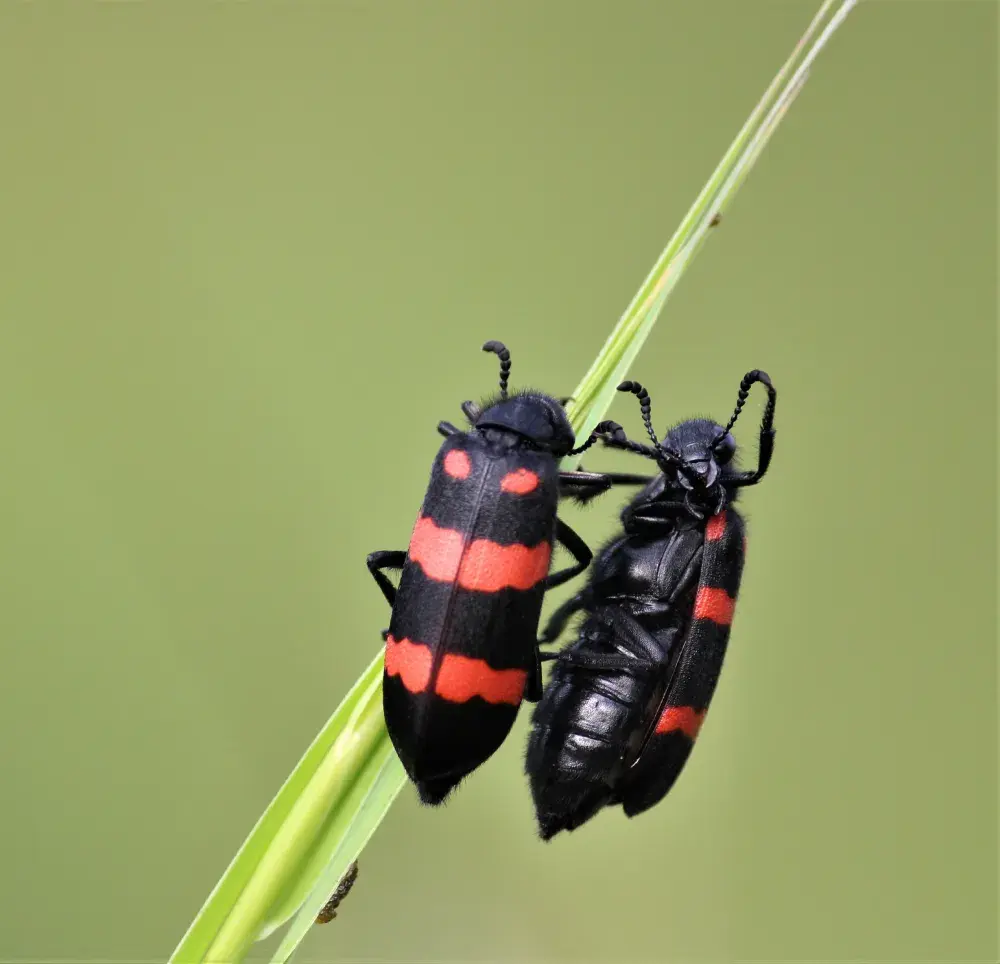
| 2 | Micro World | Student | Ghubade Samadhan Vishwanath (21069001009) | SSI | Beetle companionship on a blade of grass |
 Download Image
|
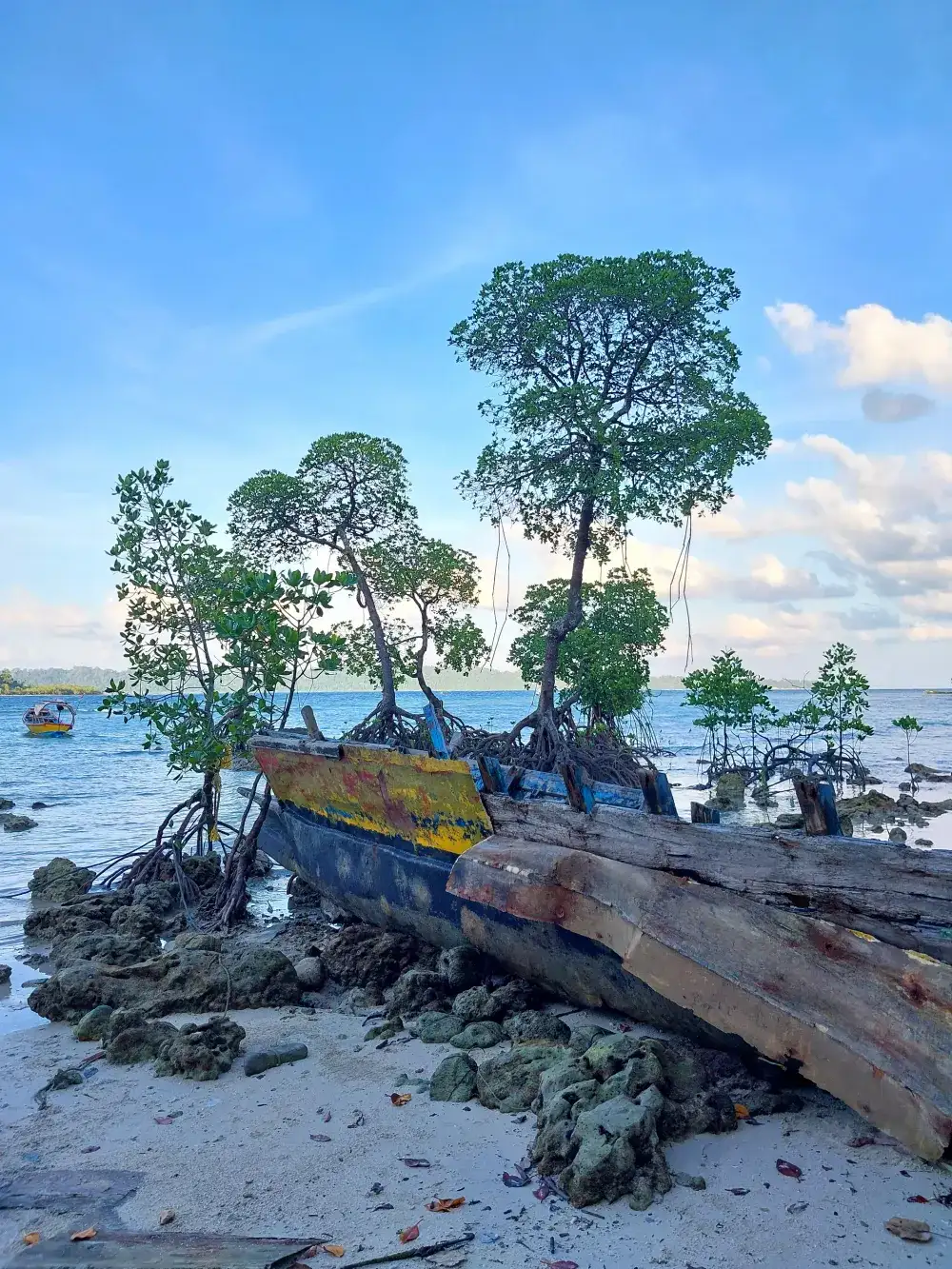
| 3 | Wonders of Plants | Student | Tanvi Sontakke (22070122234) | SIT | Ancient Hulls, New Roots |
 Download Image
|
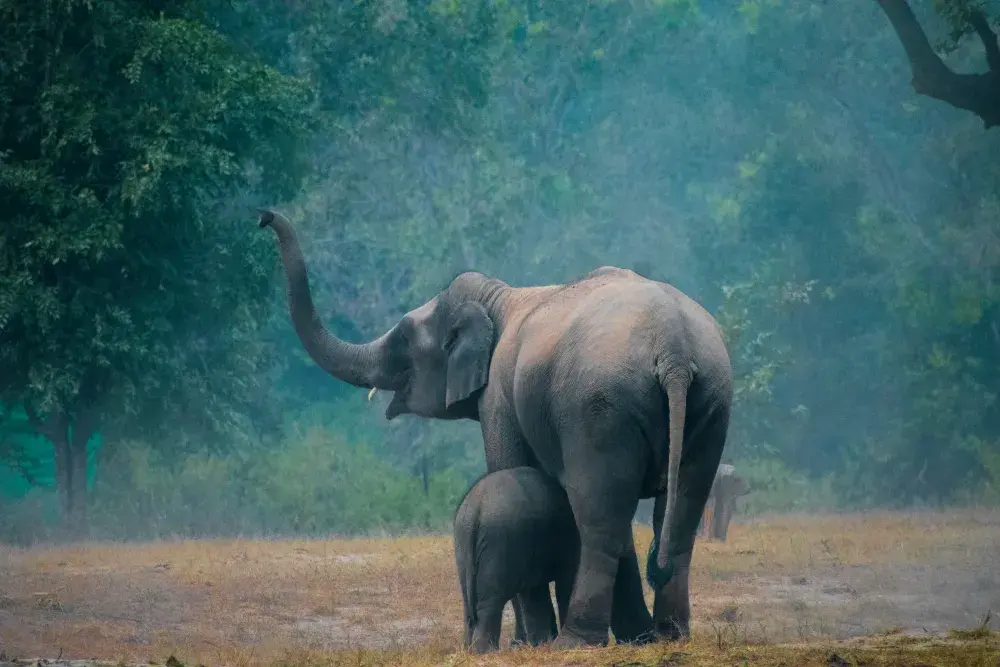
| 4 | Animal Kingdom | Student | Ishita Malhotra (21010126123) | SLS-P | A Mother's Shelter |
 Download Image
|
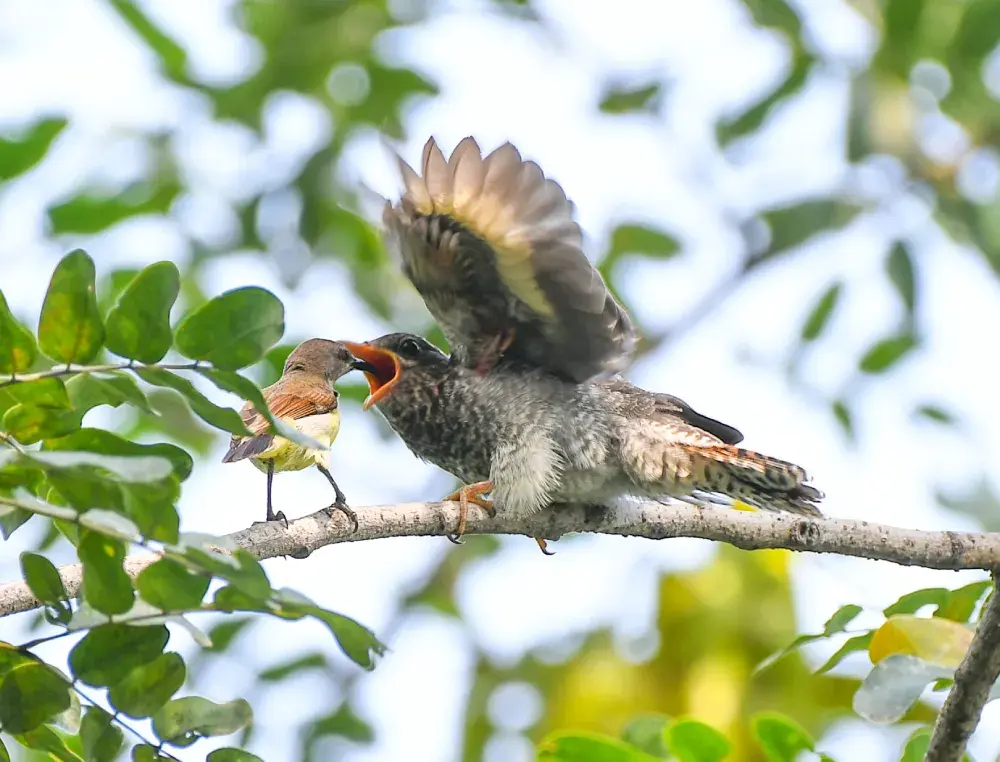
| 5 | Animal Kingdom | Student | Pankaj Bhole (2402914101619) | SSODL | Brood Parasitism: Purple-rumped Sunbird feeding Gray-bellied Cuckoo chick |
 Download Image
|
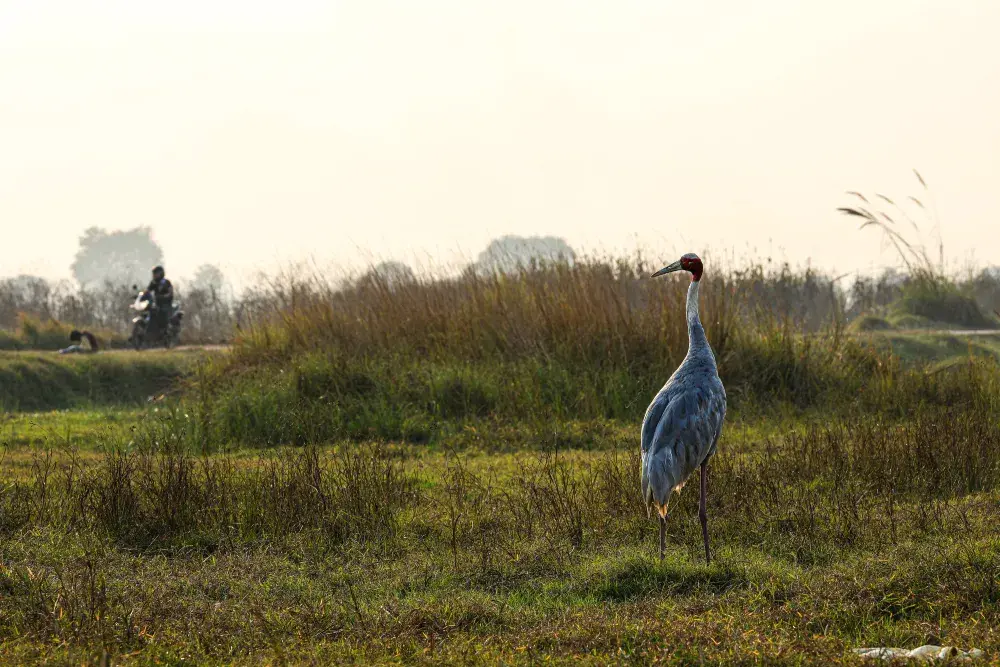
| 6 | Conservation Photography | Student | Arnav Rastogi (25050522004) | SSVAP | Sarus Crane looking at humans in the Dhanauri wetlands, U.P. |
 Download Image
|
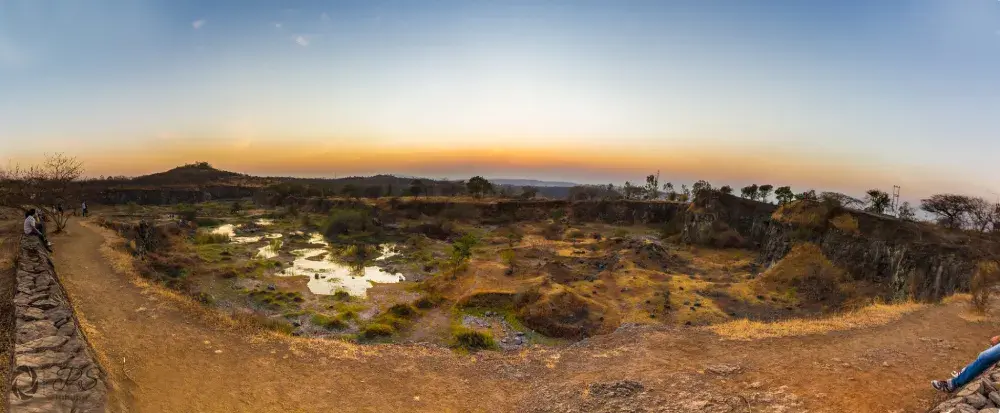
| 7 | Conservation Photography | Student | Pranay Singh (2402914107019) | SSODL | Impact of mining - when the sun sets on ARAI Tekdi, what will remain? |
 Download Image
|
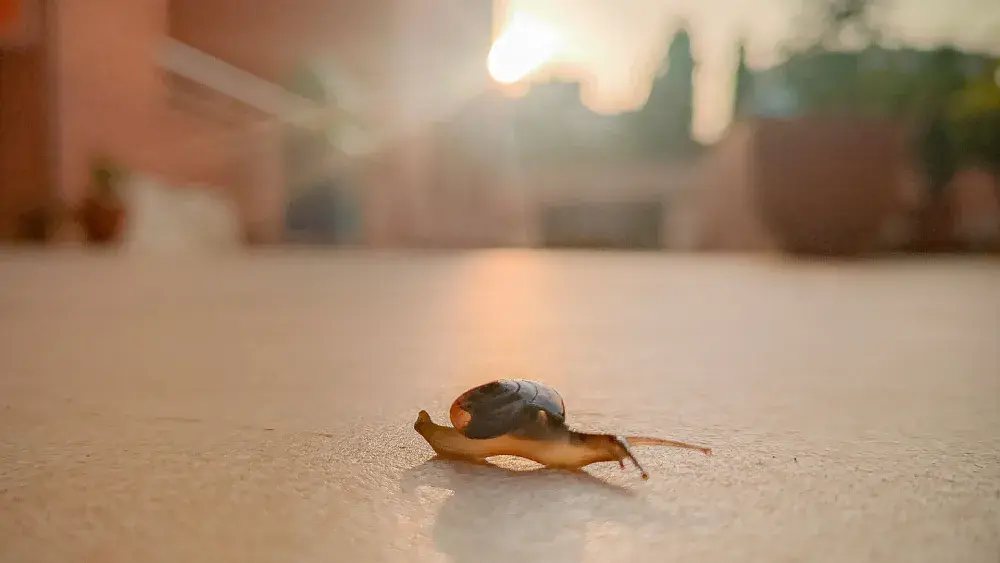
| 8 | Micro World | Staff | Manas Bhunia (N11346) | DSRW | Keep going: progress is progress, no matter how slowly you are making it |
 Download Image
|
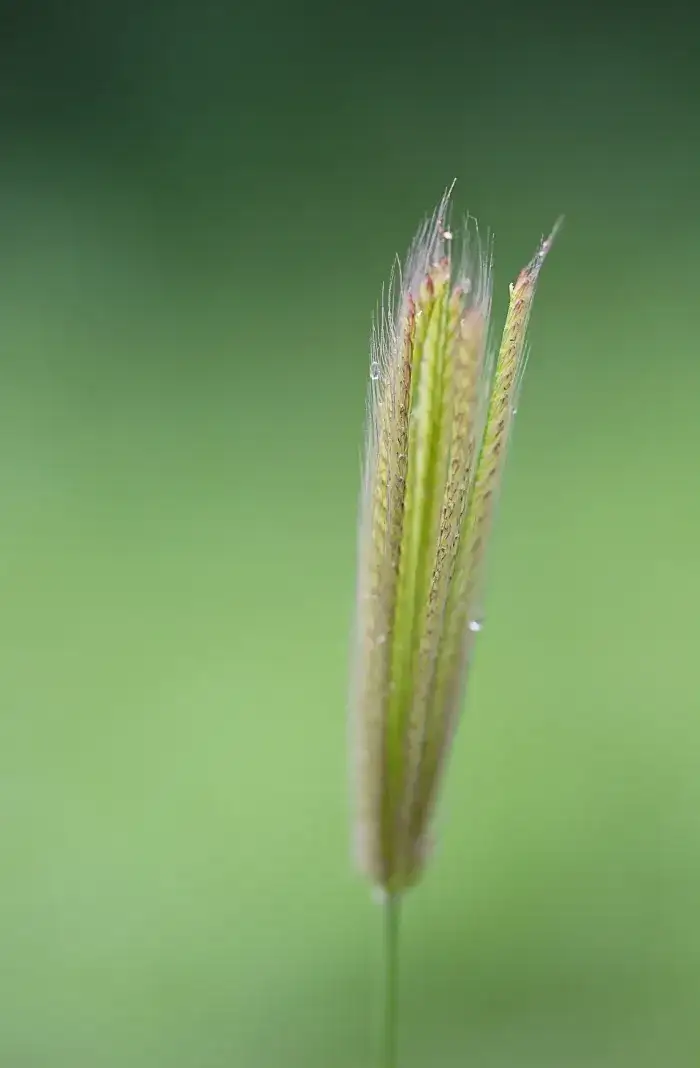
| 9 | Wonders of Plants | Staff | Yogesh Subhash Gurav (N05683) | SID | Peaceful Bloom (Wild Grass Stem) |
 Download Image
|
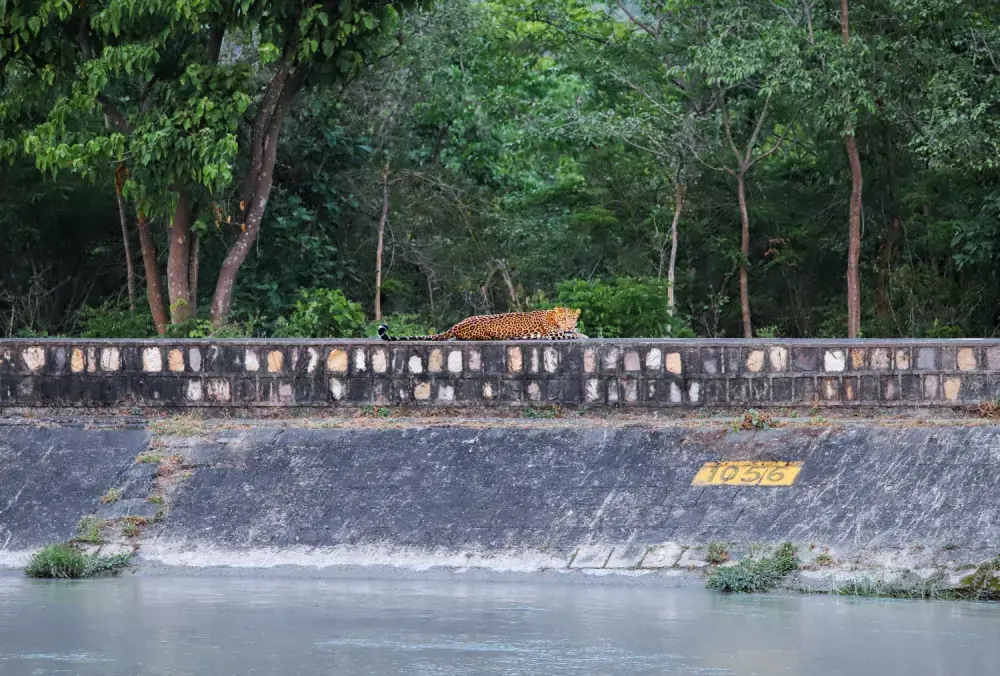
| 10 | Animal Kingdom | Staff | Amaresh Kumar Singh (N04103) | SSVAP | The Shy Leopard |
 Download Image
|
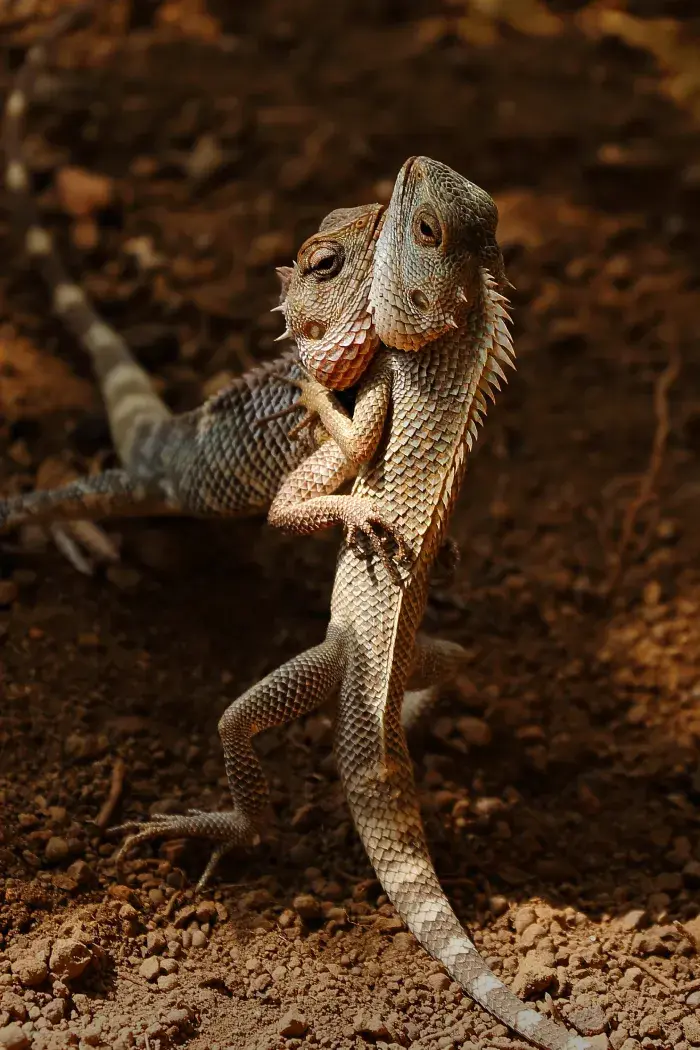
| 11 | Animal Kingdom | Staff | Anand Sawant (T04212) | SID | Jadu ki Zappi |
 Download Image
|
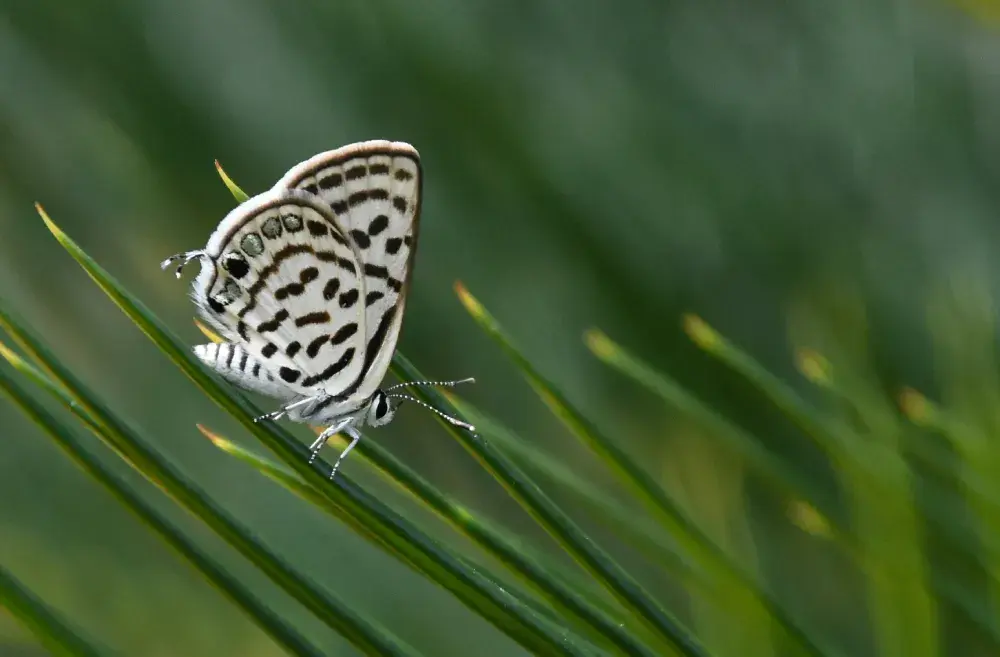
| 12 | Micro World | Faculty | Chetan Bokde (T08725) | SSPAD-NG | Rounded Pierrot - Tarucus nara |
 Download Image
|
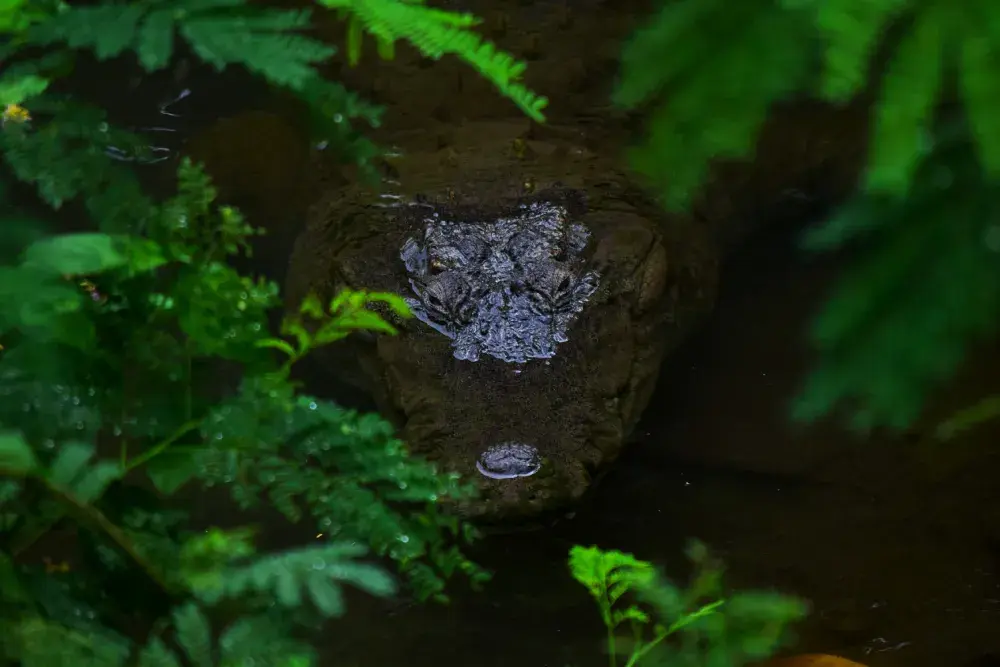
| 13 | Photography of the Year | Student | Arnav das (24050522004) | SSVAP | Close to Death |
 Download Image
|
The Biodiversity Wing welcomes participation from all members of the Symbiosis community. Any interested student, staff member, or faculty member currently affiliated with any Symbiosis institute can join our active biodiversity community and contribute to conservation efforts on our campuses.
To join our citizen science network, please email us at biodiversitycell@siu.edu.in to express your interest in the biodiversity group. Once you join, you'll become part of a vibrant community dedicated to observing, documenting, and understanding the natural world around us.
We actively encourage all participants to engage with established citizen science initiatives that provide valuable data for biodiversity research and conservation. These platforms enable you to make meaningful contributions to scientific understanding while developing your observational skills and ecological knowledge.
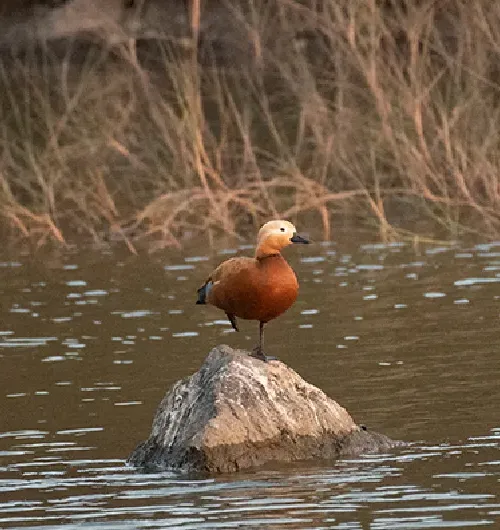
This globally recognized bird observation platform, managed by the Cornell Lab of Ornithology, is the world's largest biodiversity-related citizen science project. Through eBird, participants document bird distribution, abundance, habitat use, and trends by submitting checklists of birds observed during outings. The platform's data contributes to hundreds of scientific studies and conservation decisions worldwide, helping researchers understand migration patterns, population changes, and the impacts of climate change on avian species.
https://ebird.org/hotspot/L4277624 https://ebird.org/hotspot/L40147267/bird-list https://ebird.org/hotspot/L37134926/bird-list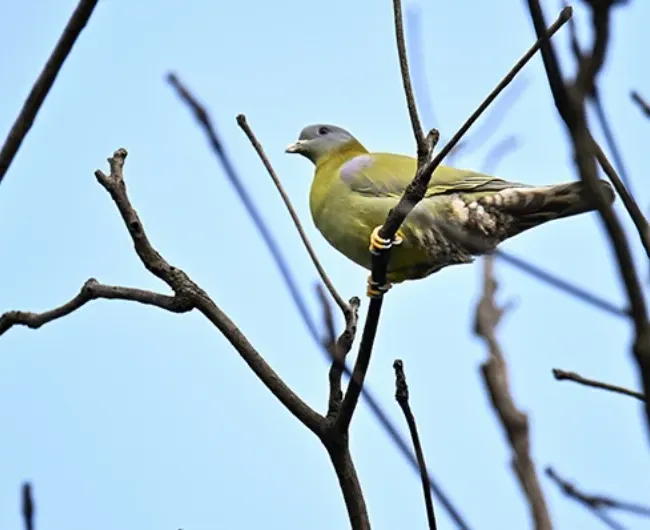
An India-wide citizen science initiative focused on understanding how climate change affects the seasonal behavior of trees. Participants observe and record the timing of leafing, flowering, and fruiting in common tree species across the country. This long-term phenology data helps scientists establish baseline patterns and identify shifts in plant seasonality that may be linked to changing climatic conditions. SeasonWatch has compiled over 600,000 observations from thousands of contributors across India, offering crucial insights into the ecology of tropical trees.
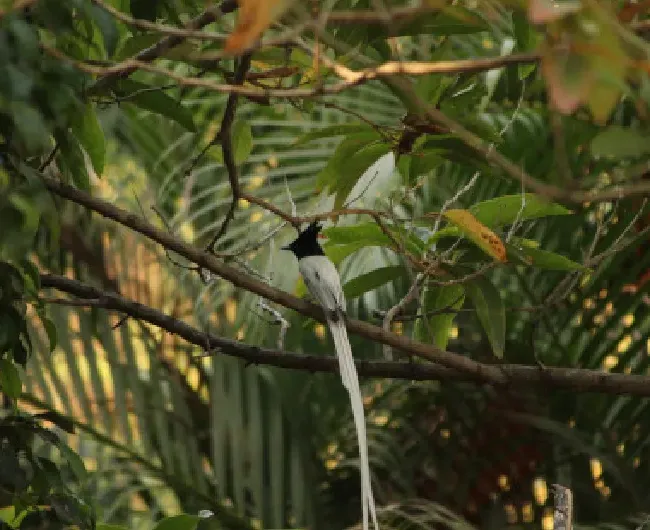
A powerful social network and observation platform that connects naturalists worldwide. Users can photograph and document any living organism, from plants and insects to mammals and fungi. The platform's artificial intelligence helps suggest identifications, while a global community of experts provides verification. Research-grade observations are automatically shared with the Global Biodiversity Information Facility (GBIF), making your contributions directly valuable to biodiversity research and conservation planning.
https://www.inaturalist.org/people/symbiosis_university_biodiversityWhen you share your natural observations on these platforms, you're not simply recording what you see—you're contributing to our collective understanding of biodiversity patterns, species distributions, seasonal changes, and ecological responses to environmental shifts. Your observations become part of datasets that inform conservation strategies, help track rare species, monitor the spread of invasive species, and document the impacts of climate change.
Every photograph, every checklist, and every observation adds to a growing body of knowledge that scientists, conservationists, and policymakers use to make informed decisions about protecting our natural heritage.
Whether you're an experienced naturalist or just beginning to explore the natural world, citizen science platforms provide accessible ways to contribute meaningfully to biodiversity science. Join our WhatsApp group, download these applications, and start documenting the remarkable biodiversity that surrounds us on the Symbiosis campuses.
To participate in any of our events, activities, or to learn more about citizen science opportunities, write to us at biodiversitycell@siu.edu.in.
The Biodiversity Wing conducts systematic, long-term monitoring of biodiversity across the SIU Lavale campus to understand ecological patterns and changes over time. Through periodic surveys conducted across different seasons and habitats, we aim to identify patterns of biodiversity distribution, assess seasonal variations, and establish baseline data for future conservation and research efforts.
Our monitoring program seeks to:
Fauna: Our faunal surveys encompass a wide range of animal groups, providing a comprehensive picture of campus wildlife:
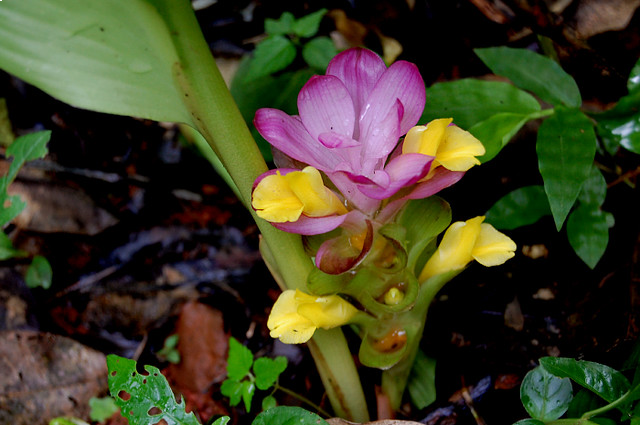
Flora: Plant diversity monitoring provides the foundation for understanding campus ecosystems:
Our monitoring program adheres to standardized protocols to ensure data quality and consistency over time. Surveys are conducted seasonally to capture temporal variations in species presence and abundance. All observations are documented using citizen science platforms, creating a permanent, accessible record that can be analyzed for research publications, conservation planning, and educational purposes.
Data collected through this monitoring program contributes to:
This ongoing research project represents a long-term commitment to understanding and protecting the remarkable biodiversity that makes the SIU Lavale campus a unique living laboratory for ecological study and conservation action.
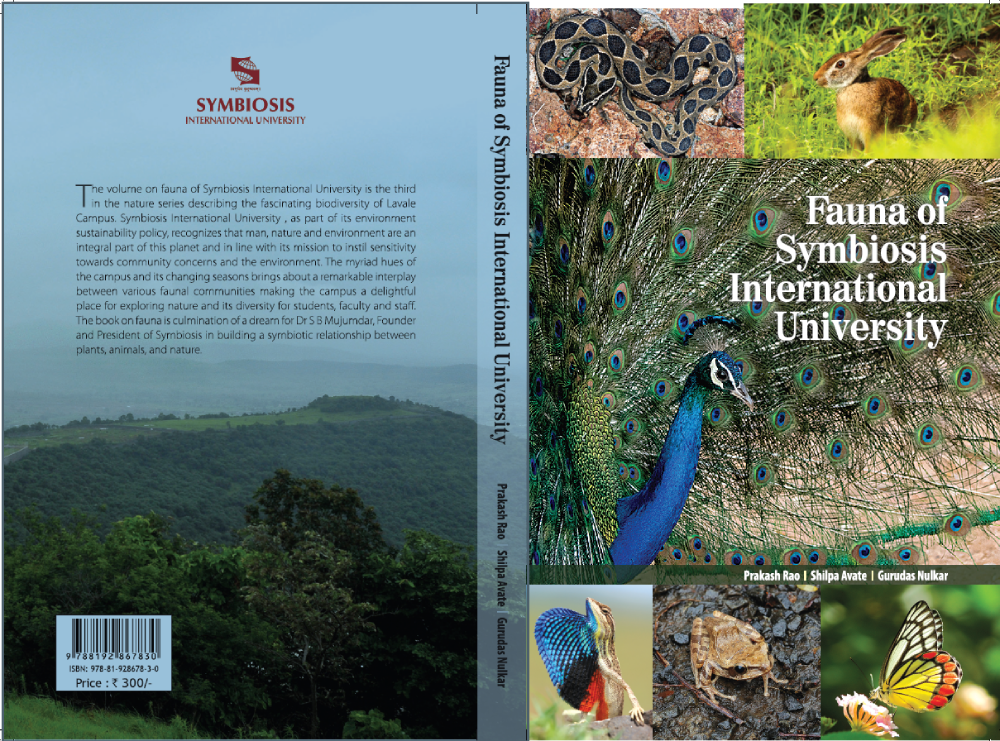
This volume documents the rich fauna of the Symbiosis Lavale campus, featuring birds, mammals, reptiles, amphibians, and butterflies.
ISBN: 978-81-928678-3-0
Conceptualisation: Dr. S. B. Mujumdar, Dr. Vidya Yeravdekar
Authors: Dr. Om Prakash , Shilpa Avate, Dr. Gurudas Nulkar
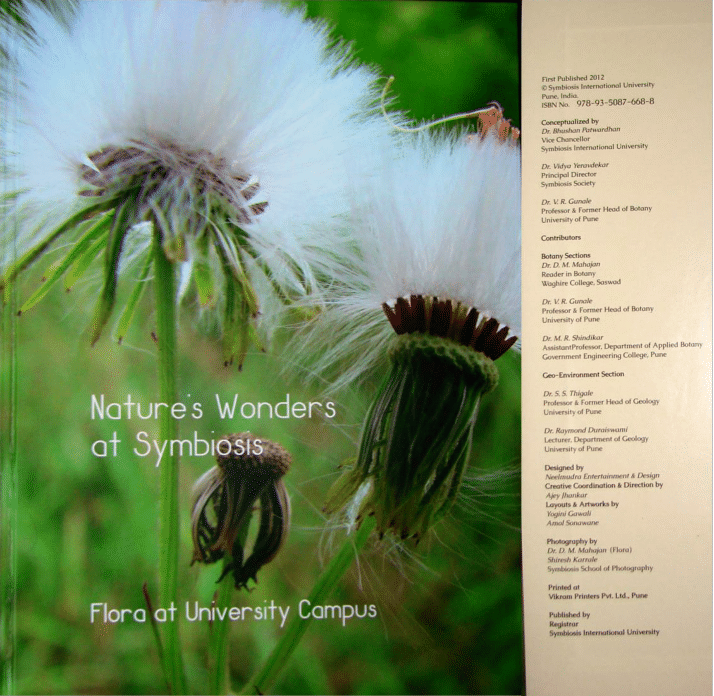
This book highlights more than 200 plant species found across the Symbiosis International University, Lavale campus.
ISBN: 978-93-5087-668-8
Conceptualisation: Dr. Bhushan Patwarden, Dr. Vidya Yeravdekar, Dr. V. R. Gunale
Authors: Dr. O m Prakash , Shilpa Avate, Dr. Gurudas Nulkar
These nature-based activities will be updated periodically:
Explore the SIU Biodiversity Page to learn about previous nature-focused activities, conservation initiatives, and campus biodiversity efforts.
https://www.siu.edu.in/student-support/biodiversityThe following curated resources offer reliable information on India’s biodiversity, wildlife, and environmental issues. They are useful for students, researchers, and nature enthusiasts seeking deeper insights into species, ecosystems, and conservation challenges.
For learning about India’s biodiversity : Explore India’s wildlife, habitats, and conservation issues
Environmental news and analysis : Explore India’s wildlife, habitats, and conservation issues
Down To Earth – Latest updates on environment and science in India and South Asia https://www.downtoearth.org.in/
Mongabay India - Coverage on ecological challenges and sustainability trends https://news.mongabay.com/